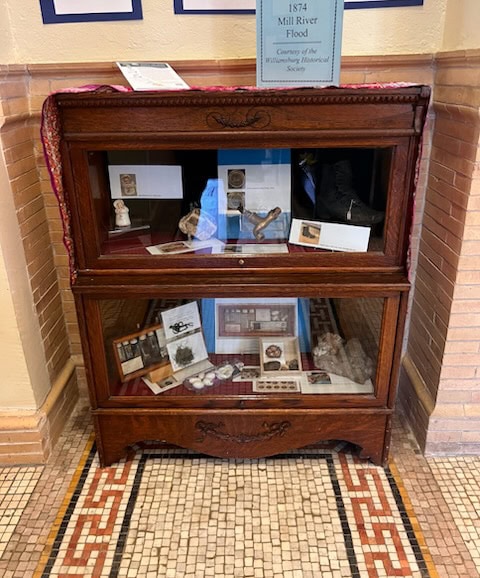
May 16, 1874. The day that changed the history of Williamsburg. That morning, the destructive, burgeoning water coursing down the Mill River, from the failed earthen reservoir dam three miles above Williamsburg on the East Branch of the Mill River, devastated the factory villages of Williamsburg, Skinnerville, Haydenville and Leeds. That catastrophic failure of the dam took 139 lives in the villages. It would have caused more damage and loss of life if it wasn’t for the heroic efforts of George Cheney, Collins Graves, Myron Day, Jerome Hillman, Robert Loud and Jimmy Ryan to forewarn their neighbors and businesses of the danger—and the innumerable anonymous acts of courage and caring by the ordinary people of the towns doing extraordinary things to save their children, their families, their friends, their neighbors and their coworkers. The flood left its mark in so many ways seen to this day—including, literally, debris from the flood that has been saved in the local Williamsburg Historical Society.
This historic Flood of 1874 remains very real to the students in teacher Gina Wyman’s third grade class at the Anne T. Dunphy School. Guided by their teacher and artist Nancy Meagher, educator Carol Berner, theater coach Melissa Redwin, and horticulturist Gaby Immerman, the students explored the lasting impact of this event in many ways.
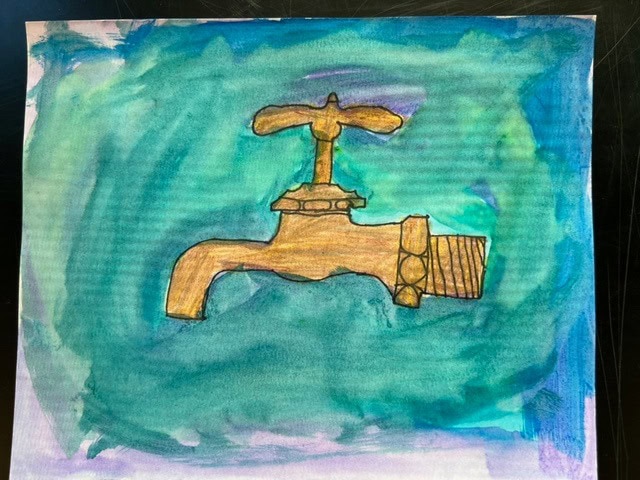
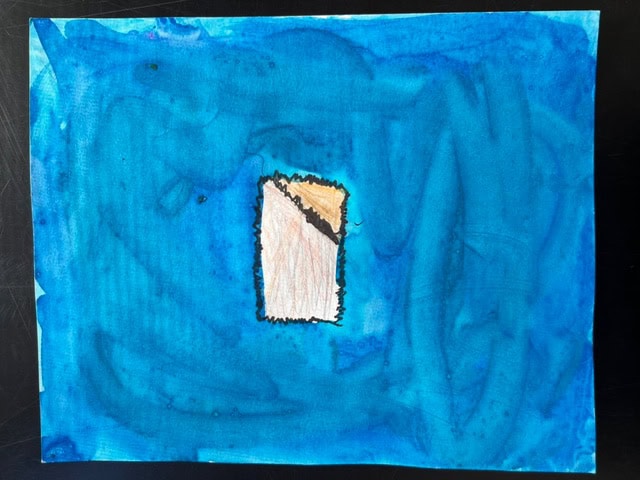
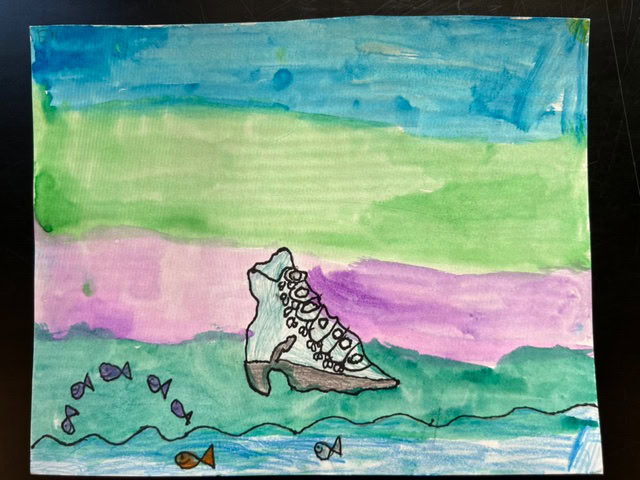
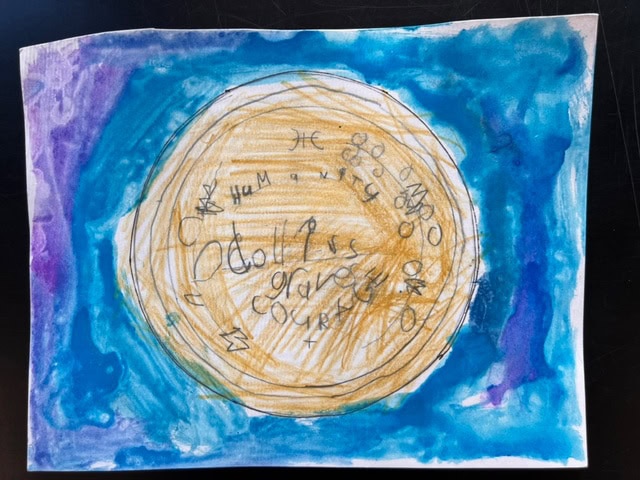
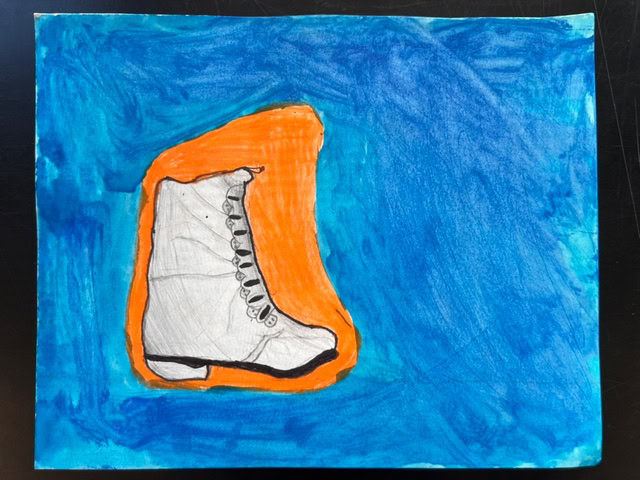
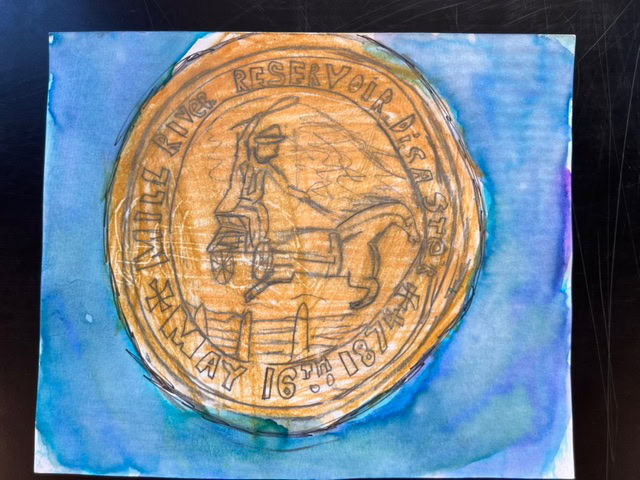
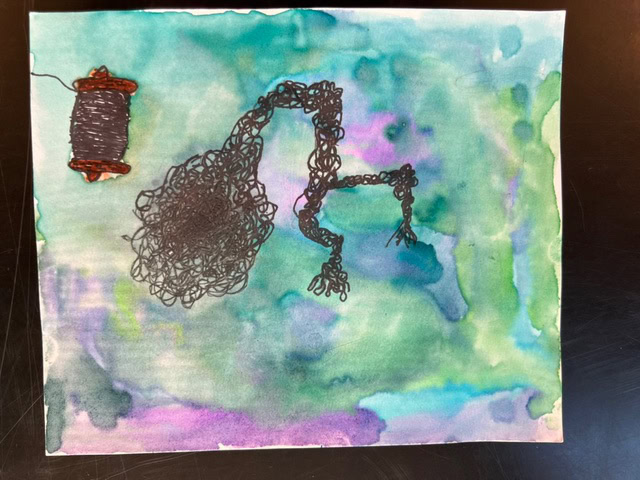
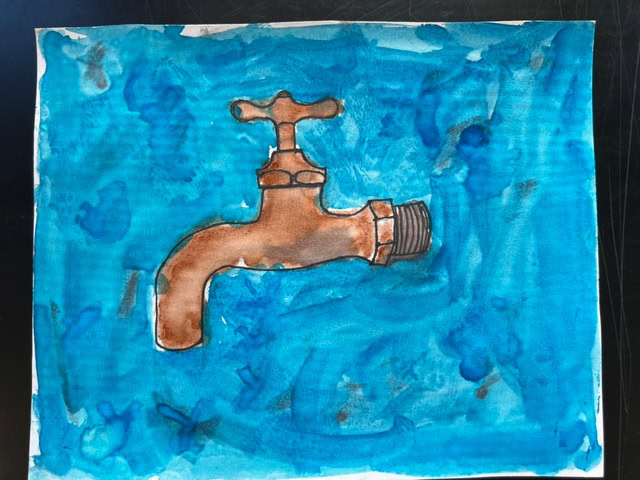
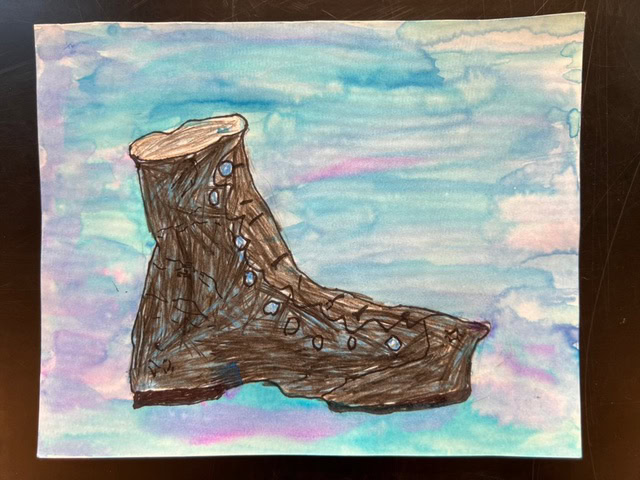
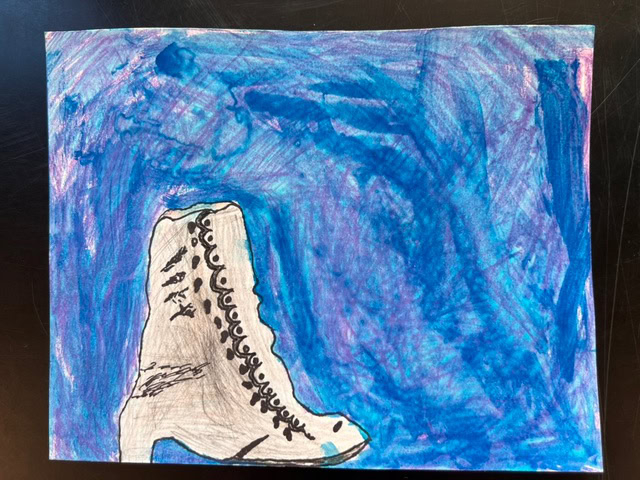
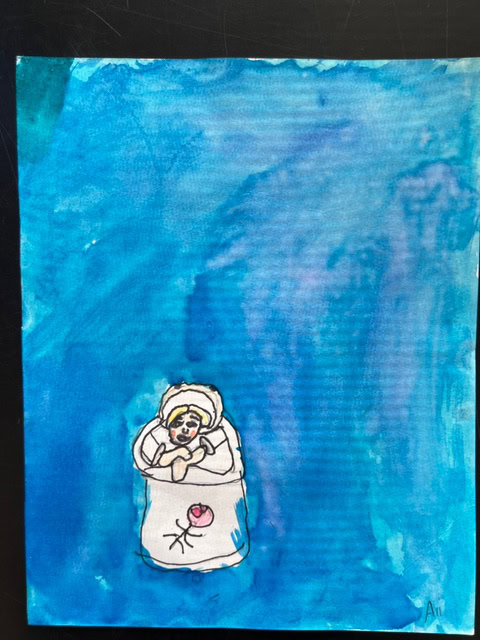
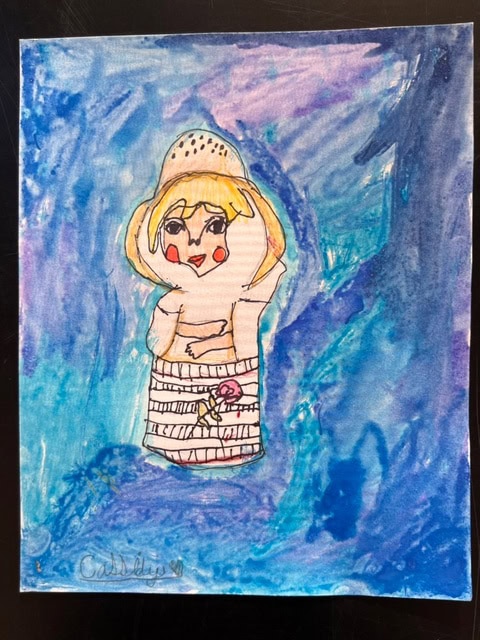
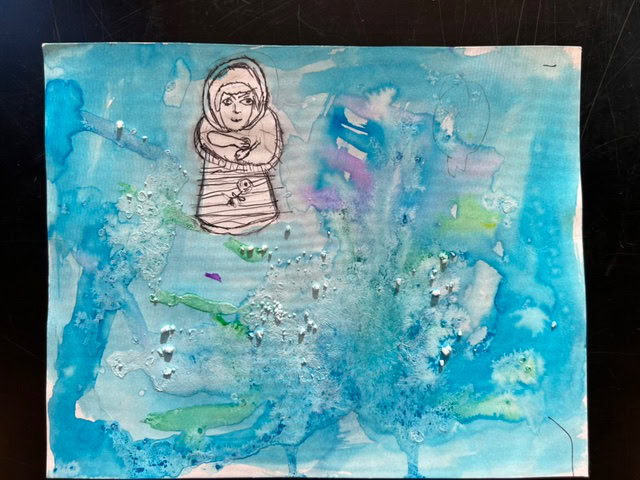
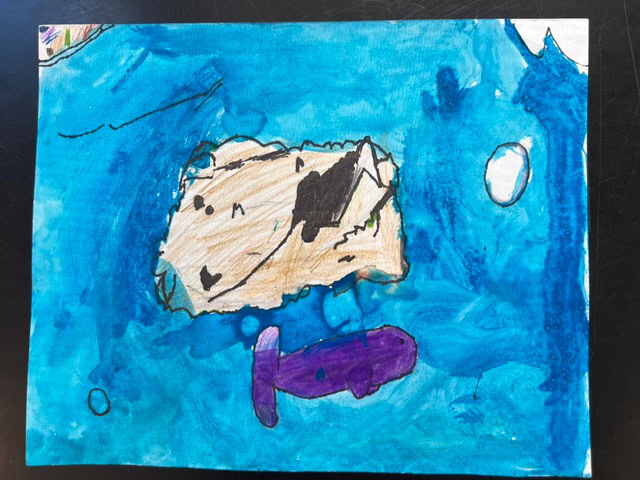
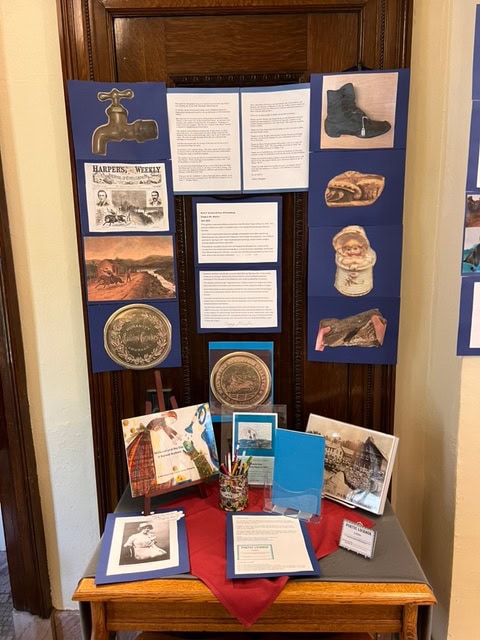
As artist Nancy Meagher explained, each student had the opportunity to look carefully at several artifacts that survived the flood, including a faucet from the Haydenville Brassworks, a piece of cornice from the Haydenville Savings Bank, a small figurative porcelain salt shaker, some thread from William Skinner’s silk mill; a single child’s leather boot; and a chunk from the Williamsburg Reservoir Dam core wall. They also had the chance to look at the gold medal given to Collins Graves, for his heroic horse and buggy ride from Williamsburg through Skinnerville to Haydenville warning of the onrushing deluge barely ahead of the water, in the Meekins Library Local History Collection.
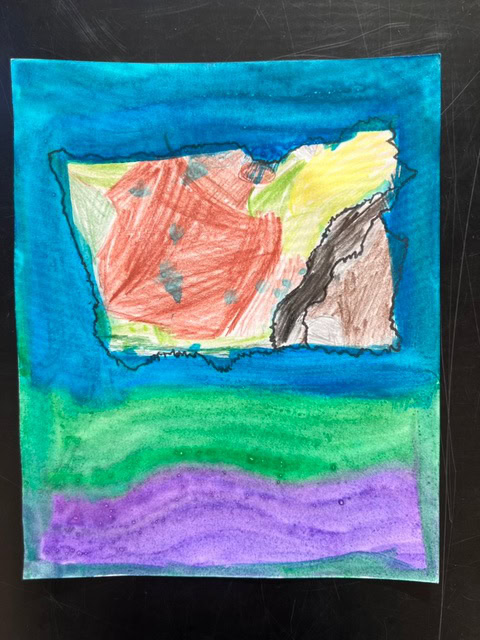
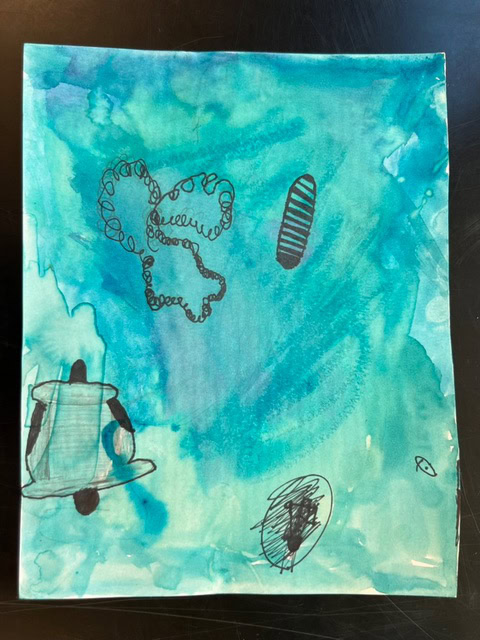
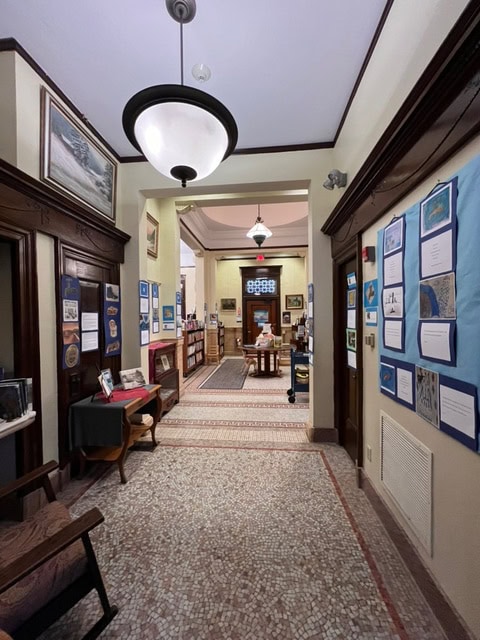
Inspired by the proximity of the Mill River to their school and these artifacts, the students created striking watercolor drawings, mixed media collages presenting their own interpretive vision of the flood, cinquain (5-line) poems, and creative story narratives giving voice to their personal way of telling about this event. The students’ artwork and writings are now on exhibition at the Meekins Library, sharing their creative work with the community.
As part of their study, the students also gave a musical performance of “That Fateful Day,” a play about the flood of 1874 by Dan Zulawski. And the students planted pear trees at the school commemorating mother Josephine and son Willie Adams, swept away by the flood, placing their special wishes for all the victims, the trees and the river into the soil to become part of the cycle of life. This was indeed an historical and current river adventure that the students will always remember.
Come to the Meekins and see the perceptive poems, drawings and stories created by the students on display through Saturday, June 7, 2025. The Meekins is open Tuesday 10-6; Wednesday 1-7; Thursday 3-6; Saturday 9-2. Daria D’Arienzo, Meekins Archivist. #throwbackthursday; #tbt.
Posted to Facebook 5/15/25